A good sieve setup starts with the test method and sample, then matches aperture sizes, sieve diameter and shaker capacity. Buying individual meshes without that specification can leave a quality-control team with an incomplete or incompatible stack. Use this guide to prepare a repeatable purchasing brief for laboratory test sieves in South Africa.
Start with the method and material
Record the material, expected particle-size range, sample mass and the test method you must follow. The method may set the required sieve series, sample preparation, shaking procedure and reporting approach. Check whether the material is dry and free-flowing or needs a method-approved wet process. Retsch’s sieve-analysis guide explains that mesh and diameter selection depend on sample quantity and size distribution.
Build an aperture list, not a single size
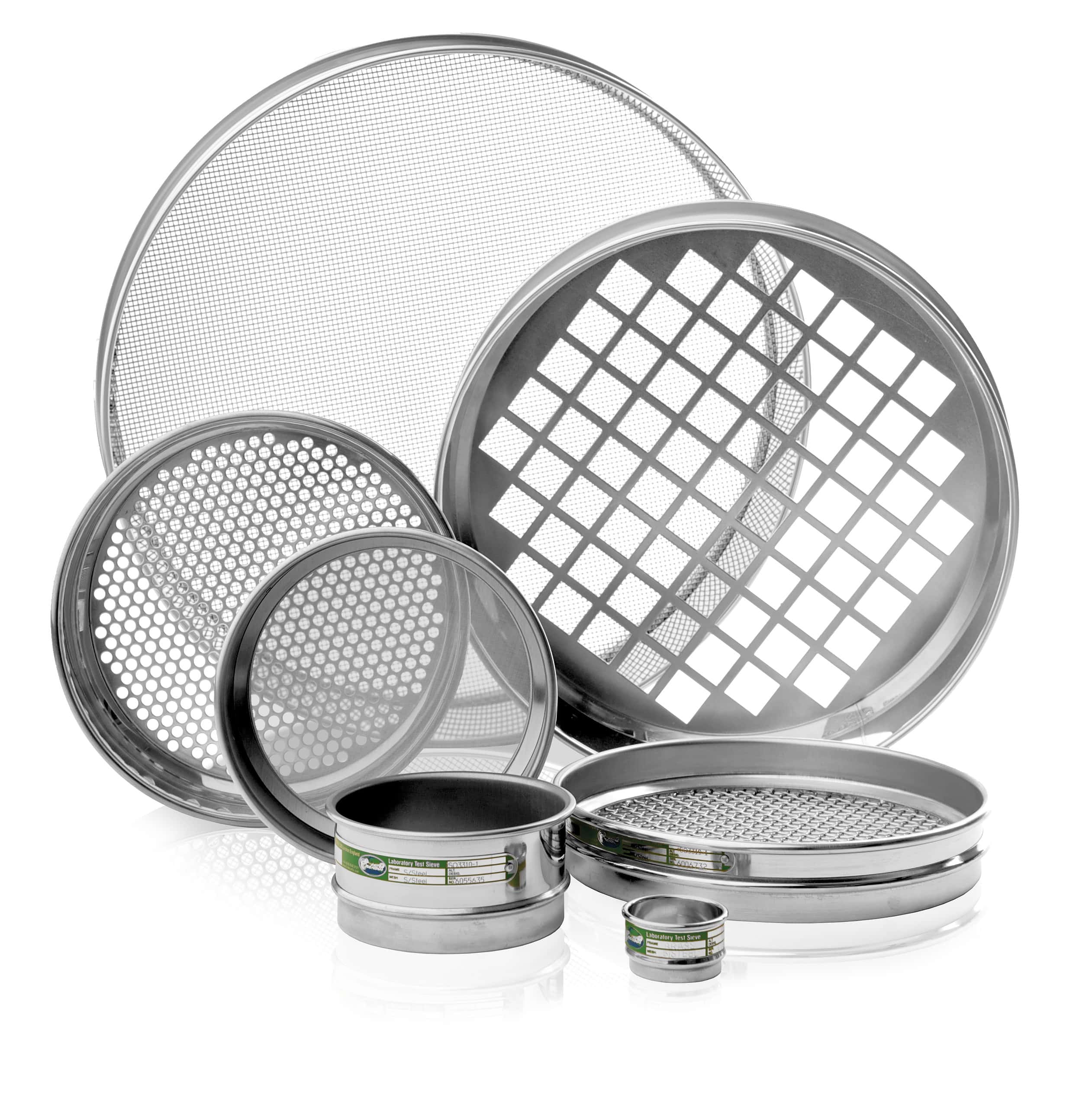
Specify each aperture needed to separate the fractions your method reports. Include a lid and collecting pan where required. Ask for the applicable sieve standard, mesh or perforated-plate construction, frame material and identification on each sieve. Avoid substituting an approximately similar aperture without checking the method and its tolerance.
Match sieve diameter and stack to the shaker
Sieve diameter affects practical sample capacity and must match the shaker’s clamping system. Check the maximum stack height with lid and pan, the sample mass, available bench space and electrical supply. If you already own a shaker, send its manufacturer and model to the supplier. If you are buying a new one, request a matched set rather than assuming all frames and clamps are interchangeable.
Specify documentation and care
Tell the supplier whether you need an inspection document, calibration certificate or other traceability evidence, and state the governing test method. These are different requirements; confirm exactly what accompanies each sieve. Plan for cleaning that protects the mesh, periodic inspection for damage and replacement of worn items. See our equipment maintenance guide for general recordkeeping principles.
Quote-ready test-sieve schedule
| Item | Details to provide |
|---|---|
| Method and sample | Standard, material, sample mass and size range |
| Sieves | Full aperture list, diameter, depth and frame or mesh material |
| Accessories | Matching lid, pan and any wet-sieving accessories |
| Shaker | Existing model or required stack, controls and power |
| Records | Certificate type, identification and traceability needs |
Common buying questions
Can I choose aperture sizes from a product photo?
No. Work from your method and expected particle distribution. A photo cannot establish the aperture, tolerance or certificate you need.
Do all sieves come with calibration certificates?
Do not assume they do. State the exact certificate and traceability requirement in your request and obtain written confirmation for each offered item.
Match the listed shakers to your sieve stack
Lab Supply lists the Octagon D200 Digital and Minor M200 sieve shakers. Their catalogue entries alone do not establish the exact sieve diameter, stack height or sample capacity for your method. Specify those details and the aperture series in your enquiry so we can confirm compatible sieves, lids, receivers and the current shaker datasheet before you buy.
Request a matched sieve setup
Explore Lab Supply’s test sieve range and the Octagon D200 Digital shaker listing. Then send your method, aperture list, sieve diameter and sample details so compatibility and documentation can be confirmed.