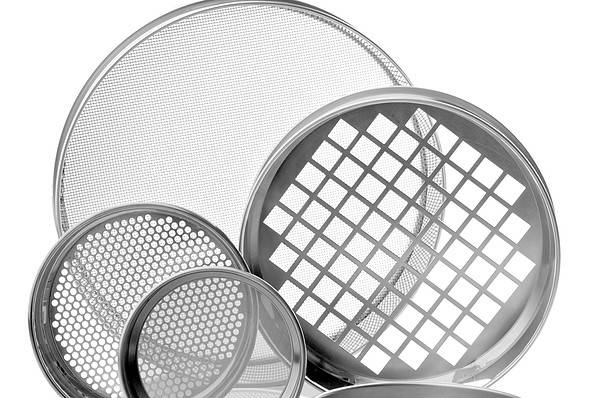
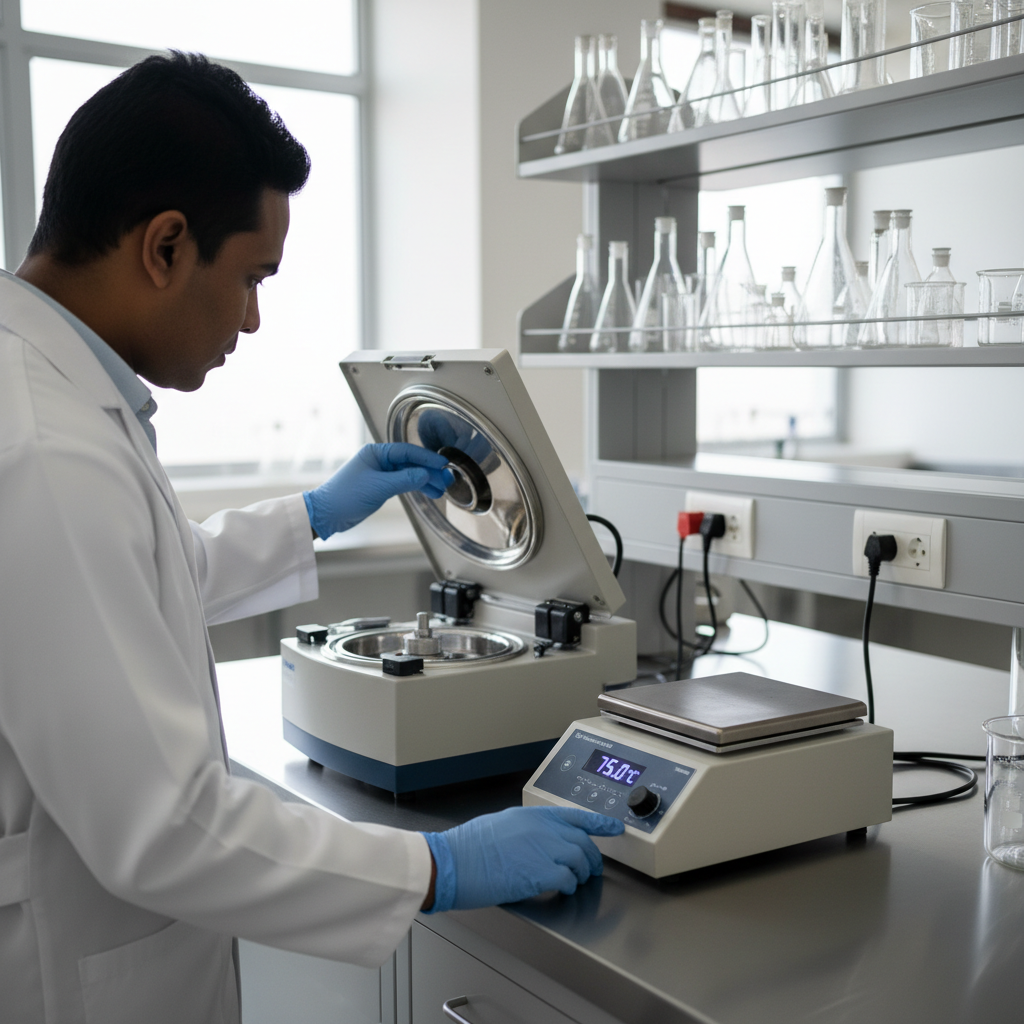
Maintaining the precision and reliability of scientific instruments is fundamental to the success of any research, industrial, or educational facility. When considering how to maintain laboratory equipment, professionals must look beyond routine cleaning and embrace a comprehensive strategy of preventive care. This approach does not only ensure accurate results but also significantly reduces the long-term operational costs associated with premature equipment failure. From the heat-intensive environments of muffle furnaces to the delicate surfaces of borosilicate glassware, every item in a lab requires a specific preservation protocol to function at its peak performance level.
The Importance of Preventive Maintenance in Scientific Laboratories
preventive maintenance is the cornerstone of a functional and safe laboratory environment. By implementing regular check-ups, technicians can identify potential issues before they escalate into costly repairs or dangerous accidents. In South African laboratories, where equipment often faces varying environmental conditions and high workloads, a structured maintenance schedule is essential for compliance and reliability. The primary goal is to minimize downtime, ensure the safety of personnel, and protect the significant financial investment made in high-quality scientific tools.
Proactive care also plays a critical role in data integrity. Instruments that are poorly maintained can produce slight deviations in results that may go unnoticed initially, leading to compromised experiments or faulty industrial batches. By adhering to strict upkeep standards, laboratories maintain the validity of their research and adhere to international quality benchmarks, making maintenance as vital as the research itself.
Daily Lab Equipment Cleaning Protocols for South African Facilities
Establishing daily lab equipment cleaning protocols is the first line of defense against cross-contamination and equipment degradation. A clean workspace reflects a professional standard and prevents the build-up of chemical residues that can corrode sensitive surfaces over time. In Durban and Johannesburg, where humidity and dust can become factors, daily attention to detail is particularly important. Technicians should start each shift by inspecting surfaces and ensuring that instruments used the previous day have been properly sanitized.
Universal Sterilization for Graduated Cylinders and Beakers
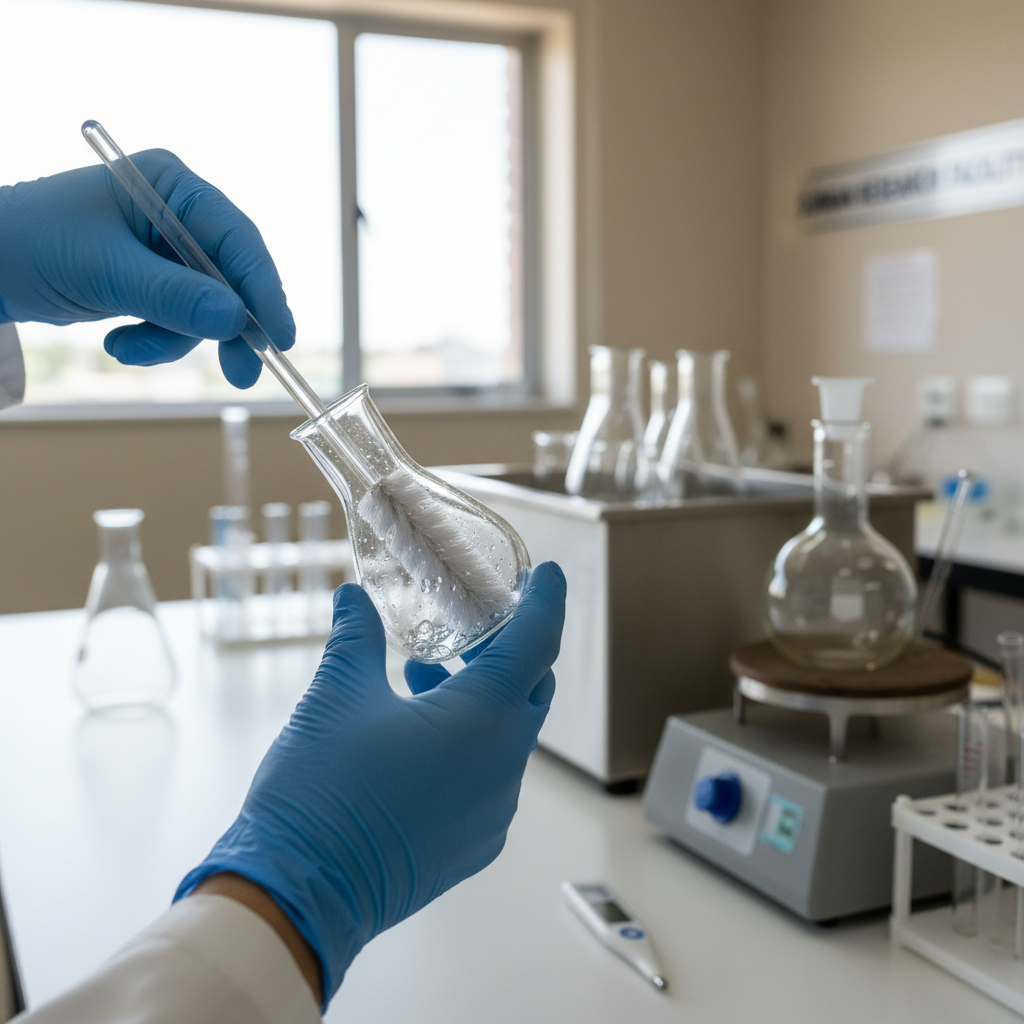
The process of sterilizing graduated cylinders and beakers involves more than just a quick rinse. For accurate measurement, glassware must be free of any grease, chemical film, or microbial growth. It is recommended to use specialized laboratory detergents that are non-abrasive. After washing, a final rinse with deionized or distilled water is crucial to prevent mineral spots. For applications requiring high-level sterility, autoclaving is preferred, provided the glassware is confirmed to be thermal-shock resistant. Always allow glassware to air dry in a dust-free rack to maintain purity.
Preventing Biological Contamination in Water Baths and Circulators
Water baths are highly susceptible to algae and bacterial growth due to the warm environment they provide. Preventing contamination in water baths starts with using treated or distilled water rather than tap water, which contains minerals that lead to scale buildup. It is best practice to drain and clean the bath weekly, applying a specialized laboratory algicide if necessary. Ensure the heating elements are wiped down gently to prevent calcification, which can impair heat transfer efficiency and cause the unit to overwork.
Specialized Maintenance for High-Performance Instruments
High-performance instruments such as furnaces and centrifuges operate under extreme physical stress. These units require a more technical approach to maintenance that goes beyond external surface cleaning. Understanding the mechanical and thermal limits of these machines is vital for any technician managed within a professional lab setting.
Muffle Furnace Safety Inspections: A Step-by-Step Checklist
Performing regular muffle furnace safety inspections in Durban or other industrial hubs protects both the facility and the operator. Because these units reach extreme temperatures, any structural flaw can be catastrophic. The following checklist should be followed periodically:
- Inspect the heating elements for signs of sagging, oxidation, or breakage.
- Check the thermocouple for accuracy and ensure it is not touching the furnace walls.
- Examine the door seal for gaps that could cause heat loss and uneven temperature distribution.
- Verify that the over-temperature protection circuit is functioning correctly.
- Clean any spilled materials from the ceramic muffle immediately using appropriate tools to prevent permanent damage to the refractory lining.
Industrial Centrifuge Maintenance and Vibration Monitoring
An industrial centrifuge maintenance checklist must focus on balance and lubrication. Modern centrifuges operate at high rotational speeds, meaning even a slight imbalance can lead to mechanical failure. Technicians should frequently check the rotor for signs of corrosion or metal fatigue and ensure the spindle is properly lubricated as per the manufacturer’s specifications. Monitoring for unusual vibrations or noises during operation is the most effective way to catch internal bearing issues before they necessitate a full motor replacement.
Optimizing Vacuum Pump Performance and Troubleshooting Pressure Issues
Vacuum pumps are the workhorses of many filtration and evaporation setups. To avoid common performance issues, the oil must be changed regularly, as it can become contaminated with solvent vapors, reducing its ability to create a deep vacuum. If the pump fails to reach the desired pressure, check all seals and tubing for leaks. Cleaning the intake filters and ensuring the exhaust is not blocked are simple but effective ways to troubleshoot vacuum pump performance issues before seeking professional repair services.
Best Practices for Handling Fragile Borosilicate Glassware Safely
Even with its superior thermal and chemical resistance, borosilicate glass remains delicate. Professional handling fragile borosilicate glassware safely involves avoiding sudden temperature changes, which can lead to stress fractures. Always use appropriate clamps that are padded with rubber or plastic to prevent metal-on-glass contact. Regularly inspect flasks and tubes for small chips or star cracks, as these flaws can cause the glass to implode under vacuum or explode when heated. Glassware with even minor damage should be decommissioned immediately to prevent laboratory injuries.
When storing glassware, avoid overcrowding shelves. Use designated racks for pipettes and specialized storage for large volumetric flasks. By extending the life of laboratory glassware through careful handling, labs can reduce their annual procurement costs and maintain a safer working environment for all staff members.
Calibration and Testing Standards: Fume Hoods and Micropipettes
Calibration is the process of ensuring that an instrument’s output matches a known standard. Without regular calibration, the most advanced laboratory equipment becomes unreliable. While some basic checks can be done internally, many labs in South Africa rely on scientific instrument calibration services to meet ISO standards and regulatory requirements.
Checking Fume Hood Airflow Standards in Industrial Settings
Fume hood airflow testing standards are critical for operator safety, particularly when working with volatile or toxic chemicals. The face velocity should typically be maintained between 0.4 to 0.6 meters per second. Obstructions inside the hood, such as large equipment placed too close to the sash, can disrupt the laminar flow and allow fumes to escape into the lab. Annual smoke tests are recommended to visualize air patterns and ensure the ventilation system is pulling air correctly through the baffles.
Beyond airflow, the mechanical components of the fume hood, such as the cables, pulleys, and sash glass, should be inspected for wear. A stuck sash or a frayed cable represents a significant safety hazard that requires immediate attention from technical support teams.
Repair vs. Replace: When to Consult Labsupply Technical Support
Knowing when to invest in repairing lab heating mantles and stirrers versus replacing them is a common challenge. Minor electrical issues, such as a blown fuse or a damaged power cord, are often easy to fix. However, if the internal heating coil or the motor has failed, the cost of labor and parts may approach the price of a new unit. In these cases, it is often more cost-effective to upgrade to a newer, more energy-efficient model that offers better safety features.
When evaluating equipment, consider the age of the unit and the availability of spare parts. Older models may no longer be supported by the manufacturer, making repairs difficult and unreliable. Consulting with a professional supplier can provide the necessary guidance to make an informed decision based on the specific needs of your facility.
Expert Support for Lab Maintenance in Durban and Johannesburg
At Labsupply, we understand that maintaining a laboratory is a continuous process that requires the right tools, knowledge, and support. Whether you need guidance on the best cleaning agents for your glassware or technical support for your muffle furnaces, our team is equipped to assist laboratories across South Africa. We provide high-quality laboratory equipment, glassware, and consumables designed to withstand the rigours of professional use.
For professional product sourcing, technical guidance, and reliable laboratory solutions, please reach out to our branches. We are dedicated to supporting the scientific community with durable products and expert advice to keep your operations running smoothly.
Durban Branch Contact Details:
19 Martin Drive, Queensmead industrial Queensburgh, Durban, 4093
Tel: +27 (31) 463 2572
Mobile/Whatsapp: +27 83 3013 034
Email: sales@labsupply.co.za
Johannesburg Branch Contact Details:
Punchbowl Industrial Park, Unit 2, 512 West Avenue, Ferndale, Randburg, 2194
Tel: 010 054 6015
Mobile/Whatsapp: +27 83 3013 034
Email: jhbsales@labsupply.co.za