
An incubator and a drying oven both control temperature, but they are designed around different processes. Start with what must happen to your sample: maintain conditions for incubation, or remove moisture and heat material. Then specify the temperature, chamber space, airflow and records your method requires. This guide helps laboratory buyers avoid choosing by cabinet size alone.
Define the process and sample
Incubators commonly support culture or sample holding where stable conditions matter. Drying ovens support heating, drying and conditioning tasks. Manufacturer ranges differ: some incubators add cooling, humidity or CO₂ control, while some ovens offer vacuum or specific airflow options. Memmert’s incubator range and oven range illustrate why the model’s stated application matters more than its general label.
Specify temperature performance
Record the setpoint range, acceptable variation, ramp or recovery needs, and the load size used when performance matters. Check the manufacturer’s operating range at your ambient conditions, then ask for documented uniformity and stability information for the proposed model. If you need temperatures below ambient, a standard heated incubator may not be sufficient. If the sample must be dried, a cabinet intended mainly for culture incubation may be a poor fit.
Check airflow and sample compatibility
Natural or forced air circulation can affect temperature distribution and the sample. Ask how much air exchange is available and whether your process needs it. Give the supplier the sample material and any vapours it may release. An ordinary laboratory drying oven should not be assumed suitable for flammable solvent vapours; use only equipment and procedures approved for the exact material and hazard. Follow your laboratory’s risk assessment and manufacturer instructions.
Measure usable capacity and site needs
Count containers, record their dimensions and allow for required spacing around the load. Compare usable shelf area and permitted shelf loading, not nominal chamber volume alone. Check door clearance, power, ventilation, heat rejection and cleaning access. For frequent door openings, ask how the model recovers to the target condition with your typical load.
Decide what must be documented
Quality-controlled workflows may need alarms, independent monitoring, data export, calibration records or qualification documents. State these needs in your quote request. Do not assume a display reading alone proves every sample reached the required condition.
Comparison and quotation checklist
| Question | Incubator brief | Drying-oven brief |
|---|---|---|
| Purpose | Culture or controlled holding | Heating, drying or conditioning |
| Temperature | Setpoint, stability and possible cooling | Range, uniformity and recovery |
| Atmosphere | Humidity or CO₂ only if method needs it | Airflow, exhaust and material compatibility |
| Load | Vessels, shelves and door openings | Sample mass, containers and vapours |
| Records | Monitoring, alarms and calibration | Monitoring, alarms and process records |
Common questions
Can I dry samples in any incubator?
Not by default. Confirm that the exact model, temperature range and ventilation suit the sample and method.
Does every incubator control CO₂?
No. CO₂ control is a specific feature of suitable models. List atmosphere requirements explicitly when seeking a quote.
Compare real catalogue options
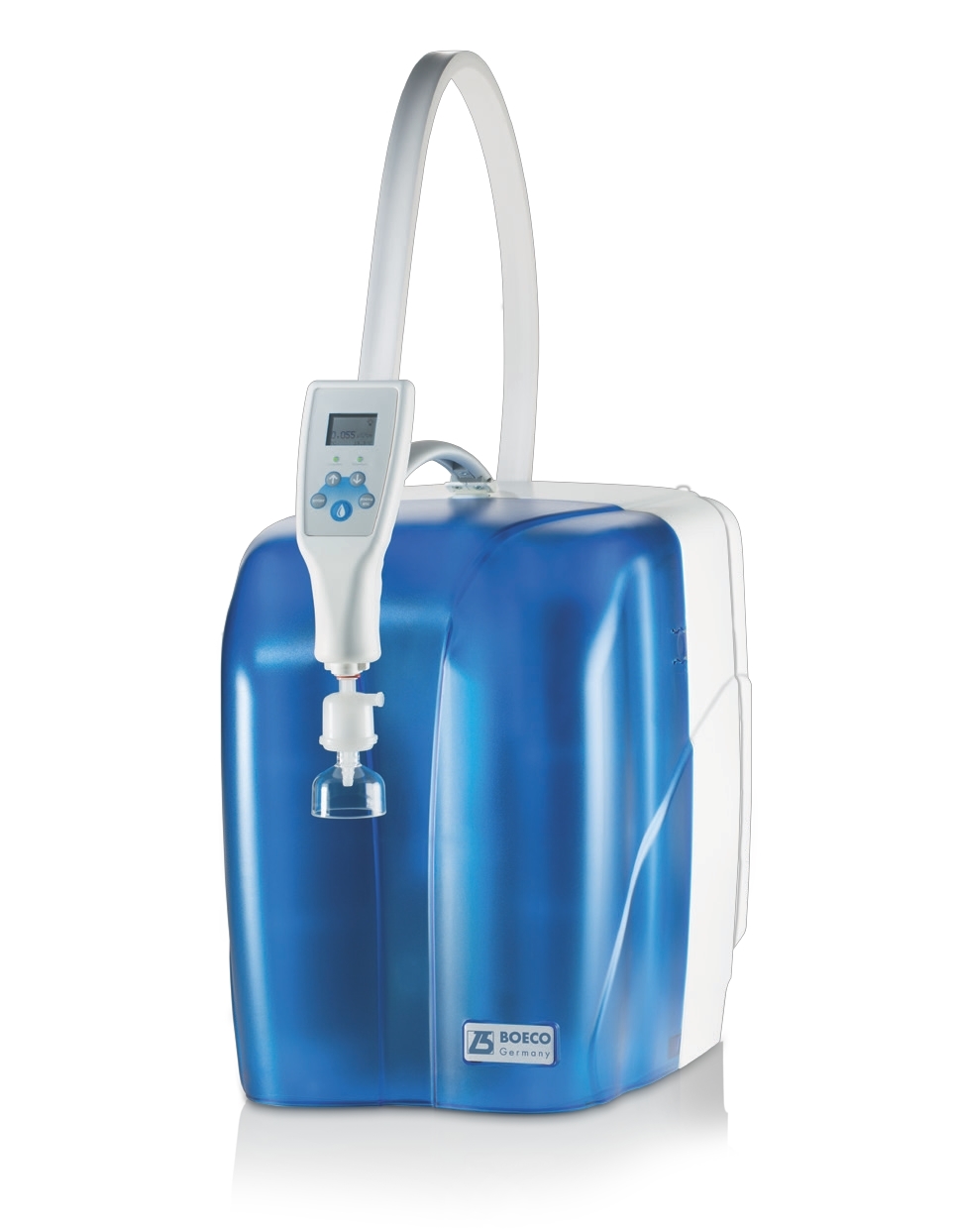
One Lab Supply listing pairs the BOECO I-18 incubator and U-18 oven: both are listed as 18-litre units, but the stated operating ranges differ (room temperature +5°C to +65°C for I-18; +10°C to +300°C for U-18). The separate drying-oven range offers further configurations. Check the exact model datasheet for chamber size, airflow, temperature control and any method-specific requirements before selecting one.
Request the correct equipment
Browse Lab Supply’s incubator category and heating and ovens range. Send your application, temperature requirements and load dimensions so the exact offered model can be checked against them.