“Disposable gloves” is too broad a line on a laboratory purchase order. The right choice depends on the task, the substance handled, the duration of contact and the user. Nitrile, natural latex and polyethylene (PE) are different materials, and two gloves made from the same material can still differ in thickness, fit, intended use and documented performance. This guide helps you write a better buying brief for Lab Supply's glove listings. Final selection should follow your site risk assessment and the exact manufacturer's instructions.
Start with the hazard, not the colour
For each task, note whether hands may contact biological material, cleaning agents, solvents, powders, rough surfaces or only clean packaging. Record whether contact could be a brief splash, repeated wiping or prolonged immersion. Also record the required dexterity, glove-change frequency and hand size. A glove used for moving cartons should not automatically be assigned to bench work, and a glove used for routine specimen handling should not be assumed to resist a particular solvent.
The OSHA PPE selection guidance recommends assessing the chemical and exposure conditions, including breakthrough for mixtures. Use the safety data sheet and the manufacturer’s glove compatibility information for the actual substance and glove. If the available product listing lacks that information, request it before buying for chemical protection.
What the Lab Supply catalogue actually lists
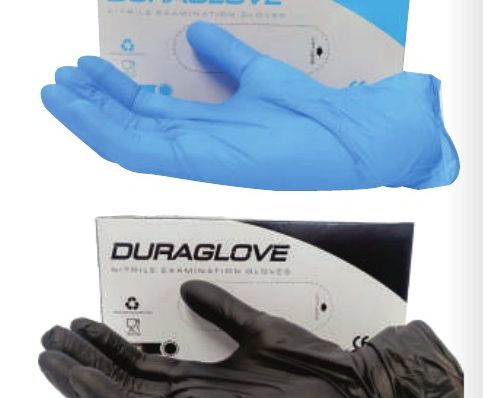
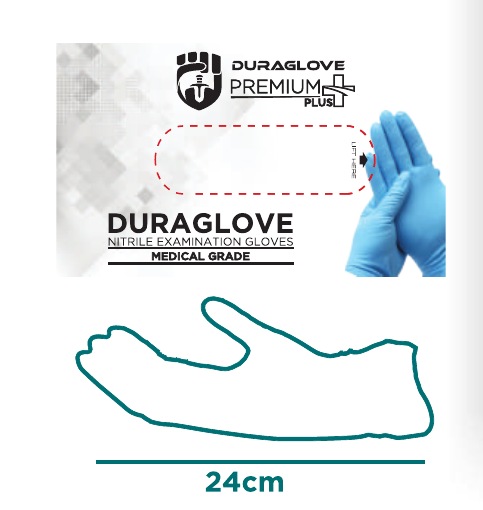
The standard disposable nitrile glove is listed at 3.5 g with micro-textured fingertips and a beaded cuff, in sizes S–XL and blue or black. The Premium Plus disposable nitrile glove is a separate blue medical-grade listing with a 24 cm nominal length and size-specific weights in its catalogue. These details help compare fit and supply options; “medical-grade” should be backed by the current product documentation if a purchasing specification depends on it.
The powdered latex and unpowdered latex listings both describe natural latex and a beaded cuff, but the available size ranges differ. The PE glove is listed as virgin polyethylene, 0.5 g per piece, in blue or clear. The chemical nitrile glove is described as green textured nitrile with spray flock lining and a different weight profile. Do not substitute one of these products for another merely because “nitrile” appears in both names.
Nitrile: check the precise formulation and task
Nitrile avoids natural rubber latex as a material and is available here in disposable and heavier chemical-glove listings. That does not mean every nitrile glove has universal chemical resistance. Check the exact polymer formulation, thickness, test data, chemical concentration and expected contact time. If the work involves immersion or aggressive solvents, the thin disposable listing may not be the right product; a specialist glove may still require a different material. Ask for manufacturer data rather than relying on a generic internet compatibility chart.
For routine handling where a nitrile glove is appropriate, compare fingertip texture, cuff, length, size range and pack size. Too-large gloves impair grip; too-small gloves may tear or cause fatigue. If several users share a bench, size distribution is often more important than a single nominal box price. Confirm whether the quote is per box, case or carton, and whether the requested colour is in the supplied size.
Latex: include allergy and powder considerations
Natural latex can offer a close fit, but latex sensitivity must be considered in staff and the work environment. The CDC guidance for diagnostic laboratories recommends assessing latex allergy history and providing alternative materials when needed. Do not assume an unpowdered latex glove removes latex allergy risk: it still contains natural latex. Powder may also be prohibited by a particular laboratory process or policy. Ask the relevant safety or infection-control lead before substituting powdered for unpowdered gloves.
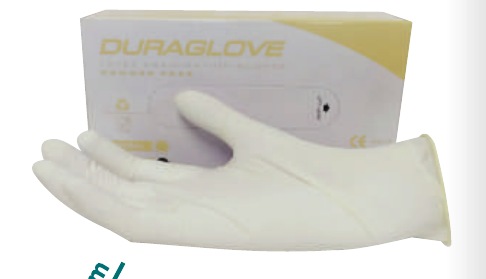
The Lab Supply pages list 5 g natural latex gloves, with powdered sizes S–L and unpowdered sizes S–XL. The pages mention a catalogue CE marking. If a tender or procedure requires a standard, request the current declaration and exact model details. A marking shown in a photograph should not be extrapolated to every variant or use case.
PE: know where a lightweight option fits
The listed PE glove is a lightweight, loose-format polyethylene option. The published page gives material, weight, dimensions and colour; it does not publish chemical breakthrough or medical-use data. PE may be a candidate for simple, short tasks only where the local risk assessment permits it. Do not present it as a direct substitute for a fitted examination glove or a tested chemical-protective glove. Confirm the intended use, fit, pack quantity and whether the task requires more dexterity than the product provides.
A side-by-side purchasing brief
Instead of a vague “nitrile gloves, medium”, send a supplier the exact product link, task, hazard, size mix, colour, cuff or length requirement, monthly consumption and delivery location. If chemical protection matters, include the chemical names, concentrations and contact duration, and ask for compatibility and breakthrough information for the offered glove. If medical or biological use matters, ask for the relevant current documentation and ensure the product is suitable for the facility's procedure. If latex is excluded, state that in the brief.
When comparing quotes, normalize the unit: pieces per box and boxes per carton. Check whether stock is available in every requested size rather than assuming a single “in stock” label covers all variants. Check the lot and expiry arrangements where your procurement system requires them. For a wider procurement checklist, see our laboratory disposables buying guide once published, or browse the current catalogue and request a quote.
Frequently asked questions
Are nitrile gloves always better than latex gloves?
No single material is best for every task. Chemical compatibility, required dexterity, allergy considerations, fit and the exact product's documentation decide the choice.
Is “chemical nitrile” the same as disposable nitrile?
No. Lab Supply lists them separately with different descriptions and weights. Ask for the exact model and performance data before selecting a glove for chemical exposure.
Can unpowdered latex be used when latex is prohibited?
No. Unpowdered latex still contains natural rubber latex. Use a suitable alternative material specified by the facility.