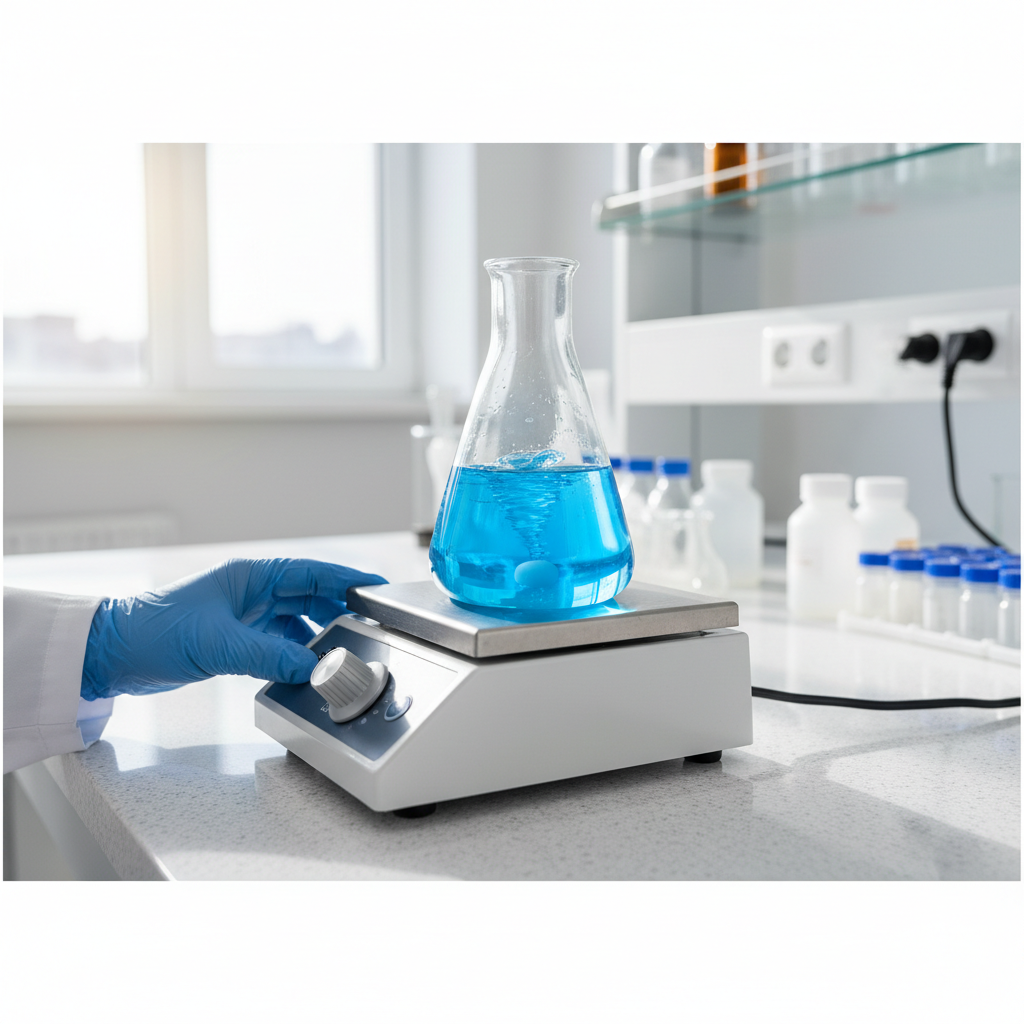
In modern laboratory environments, the ability to achieve homogenous mixtures without manual intervention is a cornerstone of efficient research and industrial processing. Magnetic stirrers have become an indispensable tool in this regard, offering a non-invasive way to agitate liquids through magnetic induction. Understanding how does a magnetic stirrer work requires a look at the intersection of electromagnetism and fluid dynamics, as these devices rely on synchronized magnetic fields to rotate a small bar, often called a flea, inside a vessel. Whether used in chemical synthesis, biological culturing, or pharmaceutical formulation, the reliability of these mixers ensures that solutes are evenly distributed and reactions proceed at a consistent rate.
The Fundamental Physics of Magnetic Stirring
The core functional principle of these devices is the creation of a rotating magnetic field which interacts with a magnetic bar placed inside a beaker or flask. When the base unit is activated, it generates a magnetic force that exerts torque on the submerged bar. This interaction allows the bar to spin at high speeds, effectively mimicking the action of a mechanical paddle without the need for an external shaft to enter the container. This closed system approach is vital for preventing contamination and maintaining the integrity of sensitive chemical reactions.
Electromagnetic Induction vs. Motor Driven Magnets
Laboratory stirrers generally fall into two categories based on their internal drive mechanism. The most common type uses a motor driven magnet, where a physical motor rotates a permanent drive magnet located just beneath the top plate. The second, more advanced type utilizes electromagnetic laboratory mixing principles. In this configuration, a series of stationary induction coils are energized in a specific sequence to create a rotating electromagnetic field. This solid state design eliminates moving parts within the base unit, reducing mechanical wear and providing a flatter profile for the equipment, which is often preferred in high throughput environments.
Key Components: The Drive Magnet and the Magnetic Flea
The efficiency of a magnetic stirrer is largely determined by the synergy between the drive magnet in the base and the stirring bar inside the fluid. The drive magnet must be powerful enough to penetrate the thickness of the top plate and the glass vessel to maintain a lock on the bar. The stir bar, often colloquially called a flea, is typically a small permanent magnet encased in a protective material. The specific shape of the bar, such as cylindrical, octagonal, or egg shaped, is selected based on the shape of the container and the desired flow pattern of the liquid.
PTFE Coated Stir Bar Compatibility and Chemical Resistance
Because the stir bar comes into direct contact with various solvents and reagents, its outer coating is critical. PTFE coated stir bar compatibility is a standard in the industry because Polytetrafluoroethylene, commonly known as Teflon, is chemically inert and highly resistant to thermal degradation. This chemical resistance of magnetic flea coatings ensures that the stirrer does not react with the sample or leach impurities into the mixture. For specialized applications involving extremely aggressive hardware or high temperatures, different polymer coatings or even glass encased stir bars may be utilized to preserve the purity of the scientific work.
Choosing the Right Equipment: Analog vs. Digital Hotplate Stirrer Performance
When selecting a device, labs must evaluate analog vs digital hotplate stirrer performance. Analog models typically use a dial to control the voltage sent to the motor or induction coils, providing a simple and cost effective solution for general mixing tasks. However, they lack precision in RPM monitoring. Digital models offer microprocessor control, allowing for exact speed settings and often featuring feedback loops that adjust power to maintain a constant speed even if the viscosity of the liquid changes during a reaction. For researchers requiring reproducibility, the digital interface provides the necessary data logging and precision control for sensitive experiments.
Technical Factors Affecting Stirring Efficiency
Efficiency in a magnetic lab mixer is not just about the motor power, it is also about the fluid dynamics and the magnetic connection. Several variables can disrupt the stirring process, leading to a phenomenon known as decoupled stirring, where the bar bounces erratically instead of spinning smoothly. Scientists must balance these factors to achieve a stable and consistent mix.
Viscosity Limits and Magnetic Coupling Strength
One of the primary constraints in magnetic mixing is the viscosity limits for magnetic drive mixers. As a liquid becomes thicker, it exerts more drag on the stir bar. If the drag force exceeds the coupling strength of neodymium drive magnets, the bar will break away from the magnetic field and cease to spin effectively. This is why magnetic stirrers are generally preferred for low to medium viscosity fluids, while high viscosity materials might require overhead mechanical stirrers that can apply more direct torque.
Vortex Formation and Its Role in Liquid Agitation
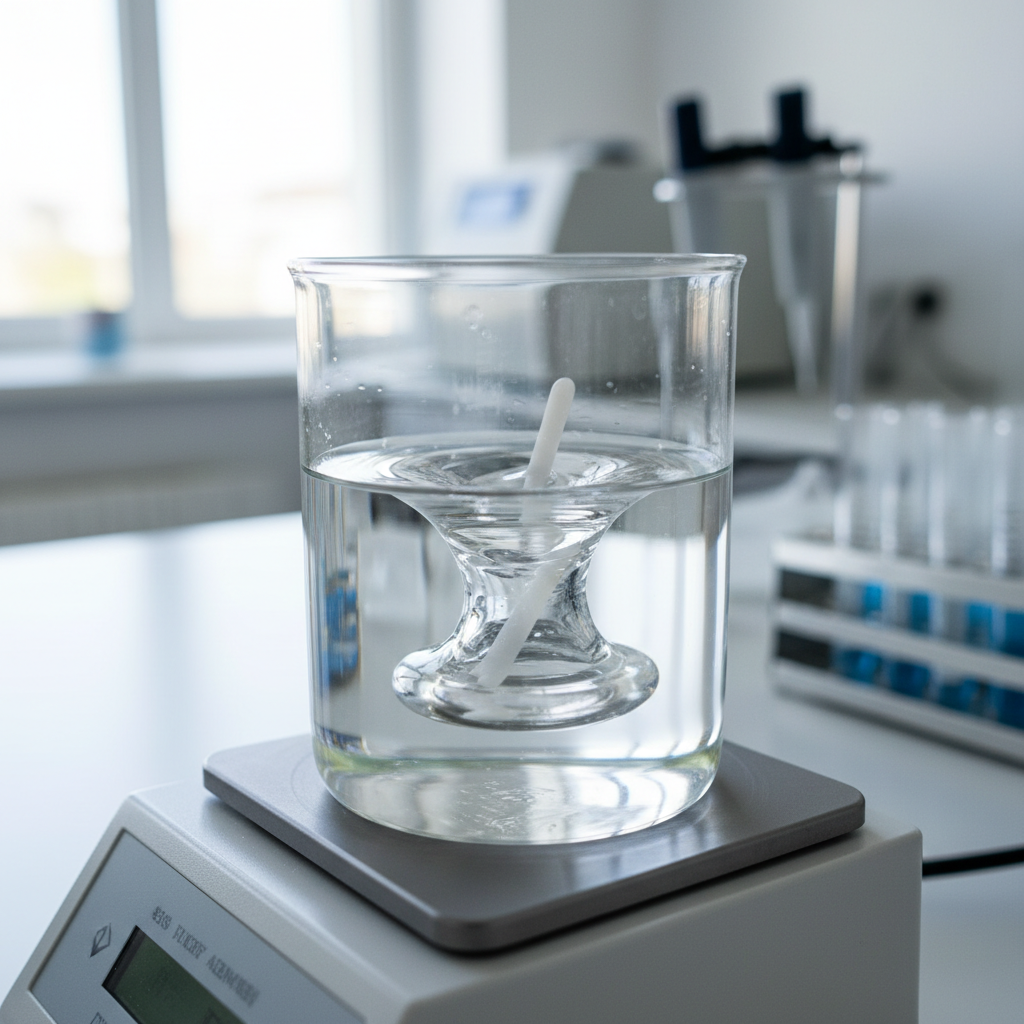
Vortex formation in scientific liquid agitation is a visual indicator of the energy being transferred to the fluid. A well defined vortex helps in pulling down solutes and powders from the surface, accelerating the dissolution process. However, in some delicate biological applications, excessive vortexing can lead to unwanted aeration or shear stress on cells. Adjusting the RPM allow’s the operator to control the depth of the vortex, ensuring the mixing intensity matches the requirements of the specific protocol.
Operational Safety and Calibration Protocols
Operating a magnetic stirrer involves more than just turning a dial. Safety protocols for operating a magnetic lab mixer include ensuring the vessel is properly centered over the drive magnet to maximize coupling. Additionally, when using hotplate versions, users must be aware of the residual heat on the top plate even after the unit is switched off. Always use the smallest stir bar necessary for the task to avoid excessive vibration that could lead to glassware breakage or accidental spills.
How to Properly Calibrate Your Digital Laboratory Stirrer
To maintain accuracy, learning how to properly calibrate a digital laboratory stirrer is essential for accredited facilities. Calibration typically involves using an external tachometer or a strobe light to verify that the RPM displayed on the digital screen matches the actual rotations of the stir bar. If discrepancies are found, many professional digital units allow for an offset adjustment through the system menu. Regular calibration ensures that experimental data remains valid across different machines and over long periods of time.
Maintenance Guide for Long-Term Laboratory Stirring Equipment Health
A comprehensive laboratory stirring equipment maintenance guide starts with keeping the top plate clean. Spilled chemicals can corrode the housing or build up a layer of residue that interferes with the heat transfer or the magnetic field. Regularly inspect the stir bars for chips in the PTFE coating, as a damaged coating can expose the metal magnet inside to corrosive chemicals. For motor driven units, listening for unusual grinding noises can help identify bearing wear before a total failure occurs. Storing stir bars on a magnetic rack when not in use can also prevent them from losing their magnetic strength over time.
Finding Professional Laboratory Solutions in South Africa
For research, industrial, and educational institutions in South Africa, sourcing high quality magnetic stirrers and hotplates is vital for maintaining laboratory standards. Labsupply provides a wide range of scientific equipment, including advanced magnetic mixers, heating mantles, and muffle furnaces designed for rigorous professional use. With branches in Durban and Johannesburg, we offer technical guidance to help you select the right equipment for your specific viscosity and temperature requirements.
Whether you are setting up a new laboratory or upgrading your existing agitation systems, our team is available to assist with product sourcing and technical support across Africa. Contact Labsupply today to find the most reliable stirring solutions and consumables for your facility.
JHB Branch: 010 054 6015 | Durban Branch: +27 (31) 463 2572
Email: sales@labsupply.co.za
Whatsapp: +27 83 3013 034