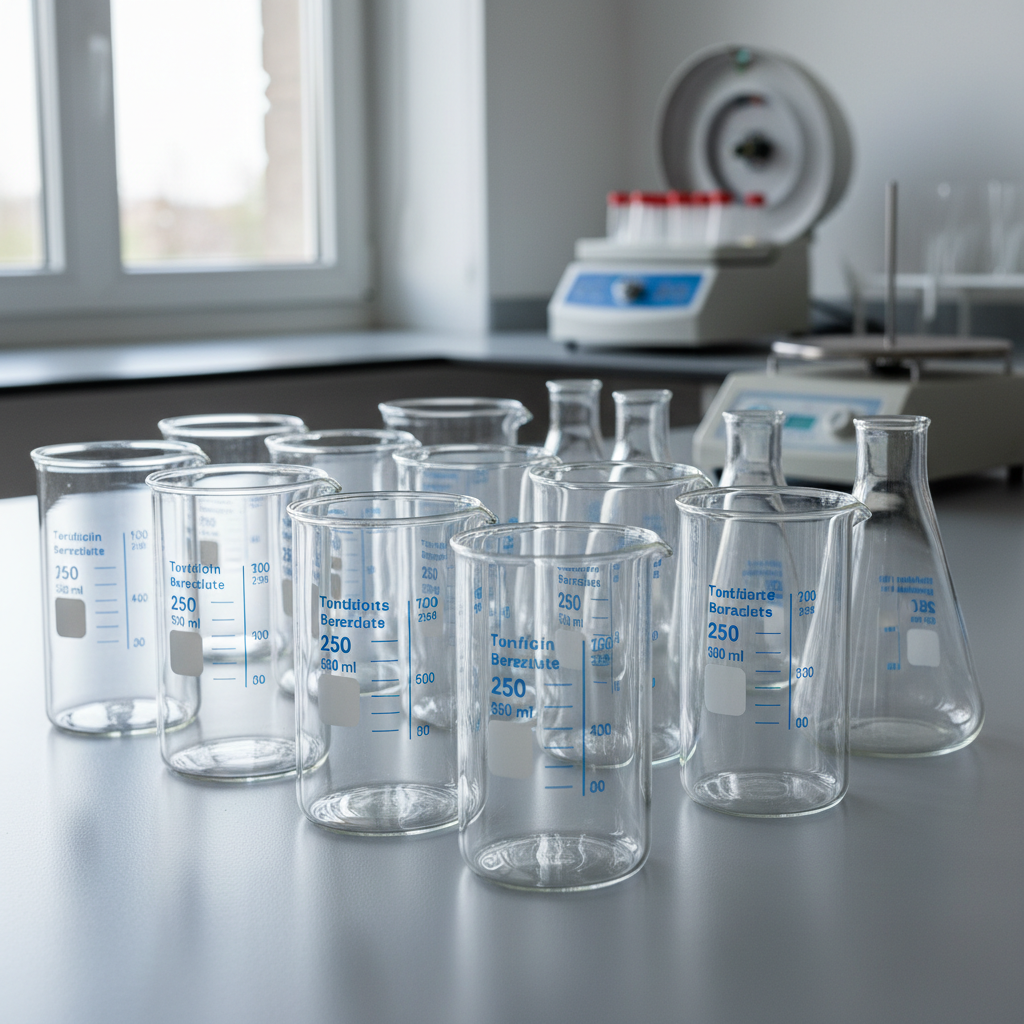
In the precise world of scientific research, the humble beaker remains one of the most critical yet frequently overlooked components of laboratory glassware. While often viewed as simple containers, the various types of laboratory beakers are engineered with specific geometries and material properties to facilitate everything from basic mixing to high temperature chemical reactions. Understanding the nuances between a Griffin beaker and a Berzelius beaker, or why borosilicate glass 3.3 laboratory beakers are preferred over standard soda lime glass, is essential for maintaining safety and ensuring the integrity of experimental data in professional settings.
Understanding the Role of Beakers in the Modern Laboratory
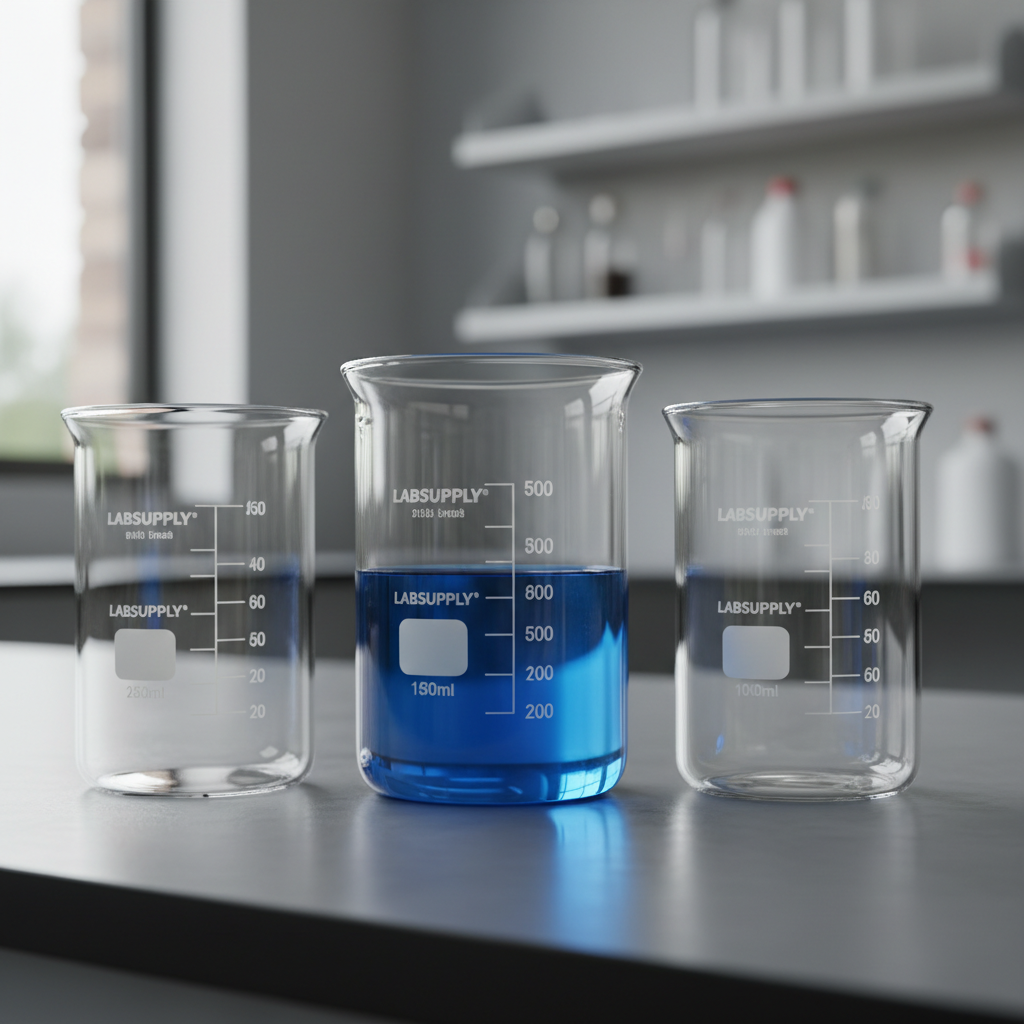
Beakers serve as the primary graduated liquid measurement vessels for scientists across various disciplines, including medical research, industrial quality control, and educational chemistry. Unlike flasks, which are designed for swirling or containment under pressure, beakers provide a wide opening that allows for easy stirring, heating, and the introduction of probes or thermometers. Their design traditionally includes a flat bottom for stability on hot plates and a pouring spout, also known as a beak, which aids in the controlled transfer of liquids without dripping.
While beakers feature graduation marks, it is important for Labsupply clients to remember that these are intended for approximate volume estimations rather than high precision volumetric measurement. For exact volumes, specialized glass labware such as volumetric flasks or pipettes should be utilized. However, for the majority of sample preparation and chemical mixing tasks, the versatility of standard lab beakers remains unmatched.
Categorizing the Different Types of Laboratory Beakers by Form
The physical shape of a beaker dictates its suitability for specific laboratory procedures. Generally, these vessels are categorized into two primary forms: low form and high form. Each serves a distinct purpose based on the surface area of the liquid and the height requirement of the experiment.
Low Form (Griffin) Beakers: The Versatile Standard
The professional grade Griffin beakers for South African labs are the most common variety found in any scientific environment. Characterized by a height that is roughly 40 percent of their diameter, these low form vessels are designed for general utility. Their wide base provides exceptional stability, making them ideal for use on hot plates and stirring or mixing large volumes of reagents. Because of their accessible opening, they are the preferred choice for preparing solutions and dissolving solids into liquids.
High Form (Berzelius) Beakers: Specialized for Titrations and Heating
High form beakers, frequently referred to as Berzelius beakers, feature a height that is roughly double their diameter. These are specialized chemical resistant glass containers often used in titration processes. The taller walls serve as a splash guard, reducing the risk of loss through effervescence or vigorous stirring. Furthermore, the reduced surface area at the top makes high form beakers excellent for heating liquids, as they minimize evaporation rates compared to their wider counterparts.
Material Matters: Borosilicate Glass 3.3 vs. Alternatives
The performance of laboratory glassware is heavily dependent on the material from which it is manufactured. In demanding environments, the choice of material can influence the success of a reaction and the safety of the laboratory personnel.
Why Borosilicate 3.3 is the Gold Standard for South African Labs
Borosilicate glass 3.3 laboratory beakers are the industry standard for high quality research. This material is prized for its low coefficient of thermal expansion, which allows it to withstand significant temperature fluctuations without cracking. It is also highly resistant to chemical attack from acids, alkalis, and organic solvents. For professionals in Durban and Johannesburg working with aggressive reagents, borosilicate 3.3 ensures that the glass does not leach contaminants into the sample, maintaining the purity required for medical and forensic analysis.
Heavy-Duty Beakers for Industrial Strength Applications
In industrial settings where glassware is subjected to mechanical stress, heavy-duty beakers for industrial lab use are recommended. These vessels feature thicker walls and reinforced rims compared to standard Griffin beakers. While they offer superior mechanical strength and longevity in busy lab environments, researchers should be aware that the increased thickness can slightly alter the rate of heat transfer. These are specifically designed for applications where frequent handling and cleaning increase the risk of breakage.
Specialized Beakers for Specific Lab Processes
Beyond the standard forms, several specialized beaker designs exist to solve unique engineering challenges in the laboratory. These are often utilized in advanced synthesis or specialized material testing.
Phillips Conical Beakers and Crystallizing Dishes
Phillips beakers combine the features of a beaker and a flask. They have a flat bottom but feature tapering walls that narrow toward the top. This design is particularly useful for processes involving evaporation where the technician wants to prevent splashing while maintaining a relatively wide mouth for access. Crystallizing dishes, though often categorized separately, are essentially very wide, shallow beakers without spouts, specifically designed to maximize surface area for the formation of crystals from saturated solutions.
Jacketed Beakers for Temperature Controlled Reactions
For experiments requiring precise temperature maintenance, jacketed beakers are an essential tool. These consist of an inner vessel surrounded by an outer “jacket” through which a heating or cooling fluid, such as water or oil, can be circulated. This allows for the constant temperature control of the contents without direct contact with a heat source, making them ideal for sensitive biological samples or exothermic chemical reactions.
Technical Considerations: Graduations, Accuracy, and Heat Resistance
Selecting the right types of laboratory beakers requires a technical understanding of their performance limits. Reliability in the lab is built on using the correct tool for the specific physical parameters of the task at hand.
- Accuracy: Beaker graduations typically offer an accuracy of plus or minus 5 percent. For any procedure requiring higher precision, calibrated glass labware for medical research facilities should be employed.
- Thermal Shock: Not all glass is created equal. While borosilicate glass is heat resistant, it can still fail if subjected to extreme “cold to hot” transitions. Always preheat the beaker or increase temperature gradually.
- Chemical Compatibility: While borosilicate glass is resistant to most chemicals, it can be etched by hydrofluoric acid or strong phosphoric acid at high temperatures.
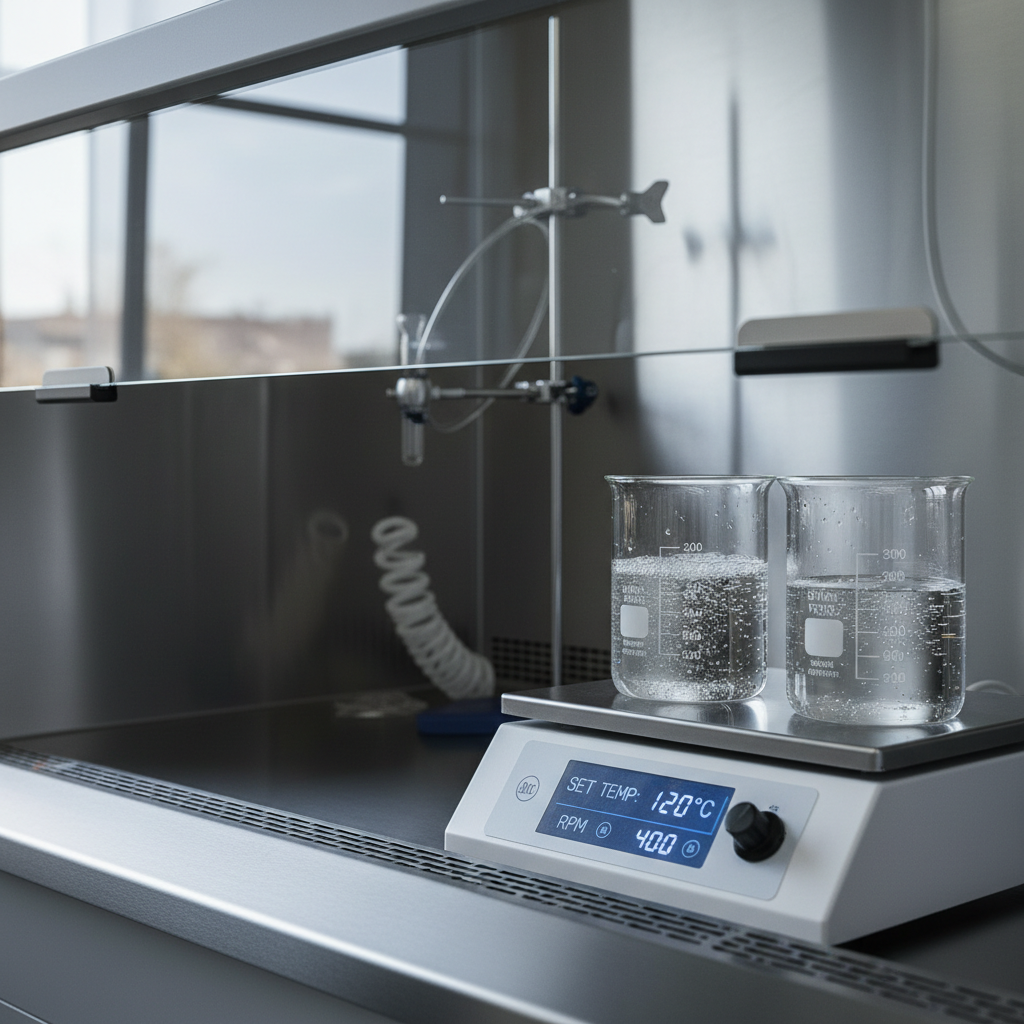
Using Beakers with Heating Mantles and Hot Plates Safely
Heat resistant beaker options for heating mantles unpopular designs should be avoided in favor of those specifically rated for thermal labor. When using a hot plate, ensure the bottom of the beaker is clean and dry to prevent uneven heating and potential breakage. For heating mantles, ensure the beaker size matches the mantle nest to provide uniform heat distribution. It is vital to never heat a dry beaker, as this can cause localized overheating and structural failure of the glass.
Selection Guide: How to Choose the Right Beaker for Your Research
When deciding on the most appropriate glassware for your facility, consider the following factors to ensure safety and efficiency. First, identify the chemical nature of your reagents. If working with highly corrosive substances, standard plastic varieties may degrade, making borosilicate glass the only viable option. Secondly, consider the volume of liquid. It is best practice to select a beaker where the final volume occupies approximately 50 to 75 percent of the total capacity to prevent spills and allow room for stirring.
Finally, evaluate the temperature requirements. Standard lab procedures involving boiling or exothermic reactions demand the thermal stability of borosilicate 3.3. If your work involves frequent transport of filled beakers, the heavy duty versions with reinforced rims offer a safer alternative for staff, reducing the likelihood of edge chipping and subsequent injury.
Procuring Professional Grade Laboratory Glassware in South Africa
Ensuring your laboratory is equipped with high quality, reliable glassware is a cornerstone of professional scientific practice. Labsupply provides a comprehensive range of beakers, from standard Griffin forms to heavy duty industrial options, specifically curated for the South African scientific community. Whether you are operating a medical research facility in Johannesburg or an industrial testing lab in Durban, accessing standardized, high grade equipment is essential for consistent results.
For technical guidance on selecting the right types of laboratory beakers or to request a quote for bulk procurement, our teams in Johannesburg and Durban are available to provide expert support. We specialize in sourcing the exact specifications required for educational, industrial, and medical applications across Africa.
Contact Labsupply today to consult with our technical specialists regarding your scientific equipment needs. Our commitment to quality ensures your research stays accurate and your laboratory remains safe.
JHB Branch: 010 054 6015 | WhatsApp: +27 83 3013 034 | Email: jhbsales@labsupply.co.za
Durban Branch: +27 (31) 463 2572 | WhatsApp: +27 83 3013 034 | Email: sales@labsupply.co.za