
Your cart is empty Continue Shopping
Showing 1 of 1 product
📄 Download Laboratory Gas Burner Products
The Essential Guide to Laboratory Gas Burner
Introduction to Laboratory Gas Burner
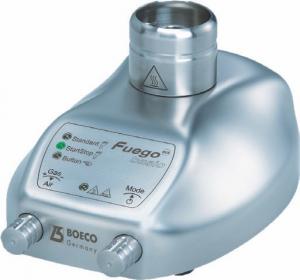
A laboratory gas burner is an essential tool used in scientific research, educational institutions, and industrial laboratories. It provides a controlled flame for heating, sterilization, and combustion experiments. The efficiency and versatility of a laboratory gas burner make it a crucial piece of equipment for precise and safe operations in a lab setting.
Types of Laboratory Gas Burner
Understanding the different types of laboratory gas burner options available is important for selecting the right one for your specific needs.
Bunsen Burner
The most commonly used laboratory gas burner is the Bunsen burner, designed for safe and consistent heating. It operates by mixing gas with air to produce a clean and efficient flame.
Meker Burner
A Meker burner is similar to a Bunsen burner but generates a hotter and more uniform flame, making it ideal for experiments requiring high temperatures.
Teclu Burner
A Teclu burner provides greater control over the air-to-gas ratio, producing a more intense flame, often used in chemical and industrial applications.
How a Laboratory Gas Burner Works
A laboratory gas burner functions by combining gas, typically methane, propane, or butane, with air to produce a flame. The burner consists of a base, a gas inlet, an air regulator, and a burner tube. By adjusting the air supply, the intensity and temperature of the flame can be controlled.
Features and Benefits of Laboratory Gas Burner
Using a laboratory gas burner offers numerous advantages, making it a preferred choice for various laboratory applications.
High Efficiency
A laboratory gas burner ensures a steady and controlled flame, allowing precise heating and combustion, which is essential in laboratory experiments.
Versatility
These burners are widely used in chemistry, microbiology, physics, and other scientific disciplines. They can be used for sterilization, heating, and conducting chemical reactions.
Adjustable Flame Control
One of the key features of a laboratory gas burner is the ability to adjust the flame intensity, making it suitable for different applications, from gentle warming to intense heating.
Safety Features
Modern laboratory gas burner designs incorporate safety mechanisms, such as flame arrestors and gas control valves, reducing the risk of accidents.
Applications of Laboratory Gas Burner
A laboratory gas burner is widely used across various industries and research fields.
Chemistry Laboratories
In chemistry labs, a laboratory gas burner is used for heating substances, conducting experiments, and testing chemical reactions under controlled conditions.
Microbiology and Sterilization
Microbiologists use laboratory gas burner to sterilize inoculation loops, glassware, and other tools required for microbial research.
Industrial and Pharmaceutical Research
Industries and pharmaceutical companies rely on laboratory gas burner for quality testing, product development, and various analytical processes.
Choosing the Right Laboratory Gas Burner
Selecting the right laboratory gas burner depends on the specific requirements of your experiments and applications.
Consider the Type of Gas
Different laboratory gas burner models operate with different fuel sources, such as methane, propane, or butane. Ensure that the burner you choose is compatible with the available gas supply.
Flame Temperature Requirements
Certain experiments require a specific flame temperature. For instance, Bunsen burners provide a moderate flame, while Meker and Teclu burners offer higher temperatures.
Safety Mechanisms
A high-quality laboratory gas burner should include safety features like an automatic shutoff valve, flame stabilizer, and adjustable air control to prevent accidents.
Maintenance and Safety Tips for Laboratory Gas Burner
Ensuring the proper use and maintenance of a laboratory gas burner is essential for longevity and safety.
Regular Inspection
Before using a laboratory gas burner, inspect it for gas leaks, blockages, or damaged parts. Faulty equipment can lead to accidents.
Proper Ventilation
Always use a laboratory gas burner in a well-ventilated area to prevent gas accumulation and ensure the safety of laboratory personnel.
Controlled Ignition
Always ignite the laboratory gas burner using an appropriate ignition source, such as a spark igniter or matchstick, while ensuring the gas flow is at a minimum to prevent flare-ups.
Safe Handling and Storage
When not in use, turn off the gas supply and store the laboratory gas burner in a secure location away from flammable materials.
Common Issues and Troubleshooting
While laboratory gas burner is reliable, occasional issues may arise that require troubleshooting.
Weak or Irregular Flame
If the flame is weak or irregular, check the air-to-gas mixture and adjust the regulator for optimal combustion.
Blocked Gas Inlet
A blocked gas inlet can prevent proper gas flow. Regularly clean and maintain the burner components to prevent clogging.
Gas Leaks
A leaking laboratory gas burner is dangerous. Always check for leaks using a soap solution and repair any leaks immediately.
Conclusion
A laboratory gas burner is an indispensable tool for laboratories across various scientific disciplines. With its precise heating, controlled flame, and versatile applications, it enhances efficiency and safety in experiments and research. Whether used in chemistry, microbiology, or industrial applications, a laboratory gas burner remains a vital piece of equipment that requires proper handling and maintenance. By choosing the right model and following safety guidelines, laboratories can maximize their efficiency while ensuring safe operations.